
Cohabiting Couples Separation Rights in England & Wales


About the Author
Daniel Chalmers
Partner, Edwards Family Law
Chambers HNW Ranked
Legal 500 Ranked
18+ years HNW family law
Formerly Clintons
Daniel Chalmers joined Edwards Family Law as a Partner in 2024, bringing over 18 years of family law experience. Prior to joining the firm, he led the family department at Clintons, one of London’s foremost media and entertainment law firms. Chambers High Net Worth 2026 Guide describes him as ‘phenomenal’. He advises on all aspects of financial remedy, pre and post-nuptial agreements, cohabitation agreements, civil partnership dissolution, and property disputes involving unmarried couples.
Q: What am I entitled to if my partner and I split up and we are not married?
A: Very little, by default. Unlike married couples, cohabiting partners have no automatic right to each other’s property, savings, pension or maintenance. Your entitlements depend on legal ownership, any cohabitation agreement, and whether you can establish a beneficial interest in a property through a TOLATA claim.
When a cohabiting relationship breaks down, the legal reality can be a shock. I regularly advise clients who assumed that years of living together, raising children together, and contributing to a shared home would give them financial protection similar to a married spouse. It does not. The law in England and Wales treats unmarried partners as separate individuals with separate assets – regardless of how intertwined their lives have become.
In this article, I explain what actually happens to property, finances and children when an unmarried couple separates, and what steps you should take to protect your position.
1. The starting point: who owns what?
When unmarried couples separate, the law does not divide assets based on fairness, need, or the length of the relationship. Instead, property belongs to whoever legally owns it. If the family home is in your partner’s sole name, the presumption is that it is entirely theirs. The starting point where there is sole legal ownership is sole beneficial ownership. If it is in joint names, the starting point is that you own it in equal shares. If you believe the true position is different from what the legal title shows, you will need to establish your claim through the court.
2. What if I contributed to a property that is not in my name?
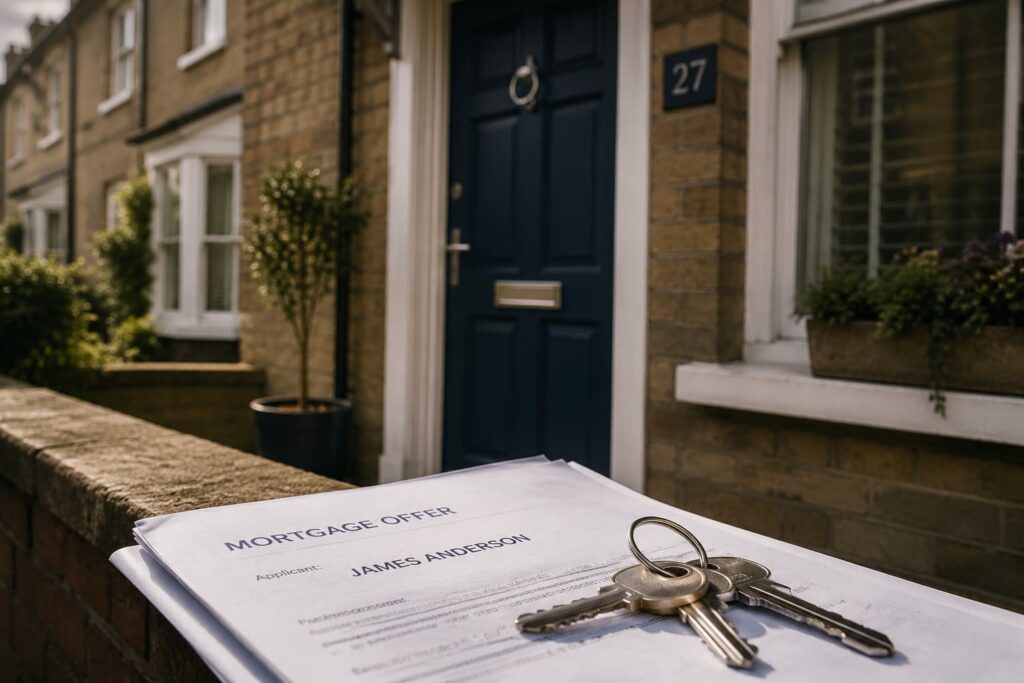
If you contributed financially to a property that is in your partner’s sole name – for example, by paying towards the deposit, the mortgage, or substantial renovations – you may be able to establish a ‘beneficial interest’ through a resulting trust or constructive trust. This is done through a TOLATA claim. The court will consider the nature and extent of your financial contributions, any agreement (express or implied) about ownership, and whether you acted to your detriment in reliance on a shared understanding that you would have a stake in the property.
This is not straightforward. The burden of proof is on the person claiming the interest, the evidence requirements are demanding, and the outcome is uncertain. A contested TOLATA claim can cost tens of thousands of pounds and take twelve months or more to resolve.
I have had a number of clients over the years who presume they have a resulting trust arising from their having contributed to the deposit or the purchase price of a property. Unfortunately, no such presumption exists.
3. What about savings, investments and personal assets?
Savings and investments belong to whoever’s name they are in. Joint accounts are presumed to be owned equally. There is no mechanism for the court to redistribute savings, investments or other personal assets between unmarried partners on the basis of fairness or need, as it can in a divorce. If you have contributed to savings or investments held in your partner’s name, you would need to establish a claim based on trust law principles – which is difficult and expensive.
4. Can I claim maintenance from my ex-partner?
No. There is no right to spousal maintenance for unmarried partners in England and Wales. Unlike a divorcing spouse, you cannot ask the court to order your former partner to support you financially after separation. The only financial claims available are for children (through the Child Maintenance Service or Schedule 1 of the Children Act 1989) and property claims under TOLATA.
5. What about the children?
Your rights and responsibilities as parents are identical to those of married parents. Both parents have a duty to support their children financially, and both can apply for a Child Arrangements Order to determine where the children live and how much time they spend with each parent. For higher-income families, Schedule 1 of the Children Act 1989 allows the court to order housing, maintenance and lump sums for the benefit of the child. This is often the most significant financial provision available to an unmarried parent on separation.
6. What should I do right now if we are separating?
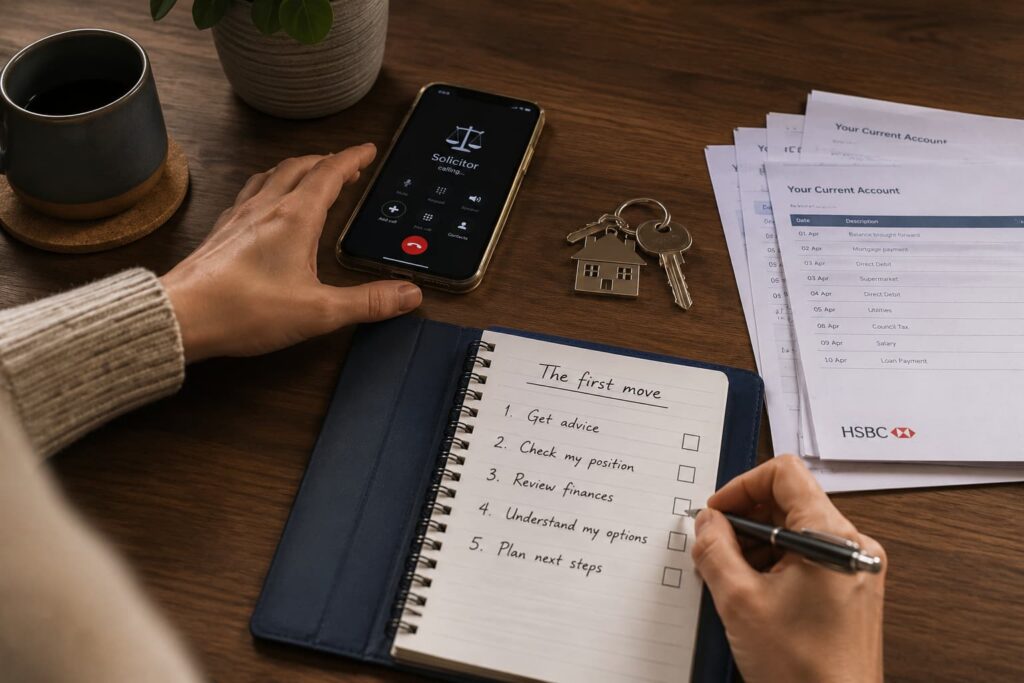
Take these steps immediately:
- Get legal advice from a specialist cohabitation solicitor before agreeing anything or leaving the property.
- If your name is not on the property title but you believe you have a beneficial interest, register a restriction at the Land Registry to prevent a sale without your knowledge.
- Gather evidence of your financial contributions: bank statements, mortgage payments, receipts for renovations, and any written communications about ownership.
- Do not move out of the property without legal advice. Leaving may weaken your position.
- If you have children, prioritise agreeing living arrangements. The court’s paramount concern is always the children’s welfare.
Separating from a partner, no matter how long the relationship, is a major life change. Taking these steps that can ensure stability for your children and the protection of your finances. Clients that act quickly often find that they save considerable time, stress and money on resolving matters.
7. How can I prevent this situation in the future?
A cohabitation agreement, drafted by a solicitor with independent legal advice for both parties, is the most effective way to protect yourself. It sets out in advance how property, finances and practical matters will be handled on separation. It is significantly cheaper and less stressful than a contested TOLATA claim after the event. If you already own a property together, a declaration of trust recording each partner’s share is essential.
If your cohabiting relationship has broken down and you need advice about your property rights and financial position, the team at Edwards Family Law can help. Contact us at edwardsfamilylaw.co.uk.
Frequently Asked Question
A: Not automatically. You would need to establish a beneficial interest through a TOLATA claim, based on evidence of financial contributions or a shared intention to own the property together. This is a complex legal process.
A: Mediation or solicitor-led negotiation is usually the quickest and cheapest route. If agreement cannot be reached, a TOLATA claim can be issued, but this typically takes between six and twelve months to resolve.
A: If your name is on the legal title, you have a right to occupy the property. If it is not, your right to remain depends on whether you can establish a beneficial interest or obtain a court order. In cases involving domestic abuse, an occupation order may be available.
A: Absolutely. A cohabitation agreement clarifies each partner’s share and what happens on separation. Without one, any dispute about ownership must be resolved through TOLATA, which is costly and uncertain.